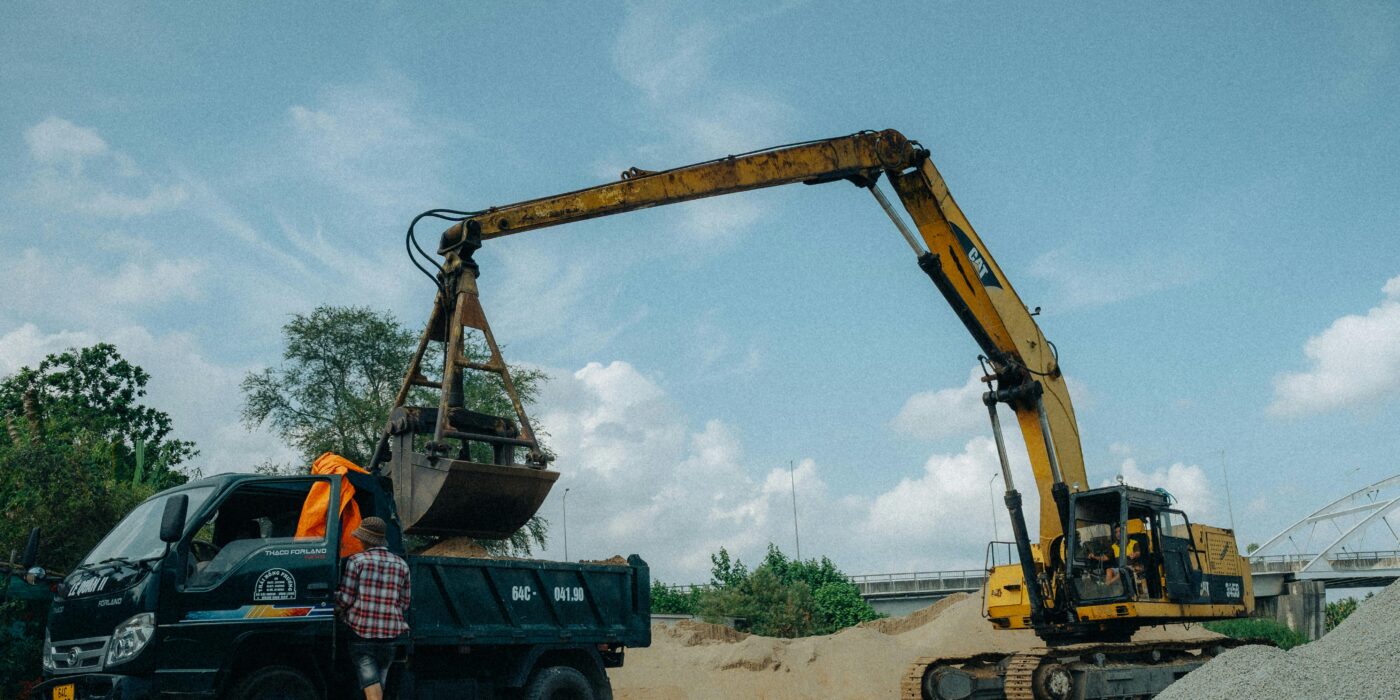

When it comes to tackling tough digging jobs, having the right machinery can make all the difference. Whether you’re gearing up for a large construction project or just need to dig a trench in your backyard, heavy-duty digging equipment is essential. But before you dive into renting that giant excavator or bulldozer, there are several factors to keep in mind. From understanding what type of machinery suits your specific needs to navigating safety protocols and maintenance duties—being well-informed will ensure your project runs smoothly and efficiently. Let’s explore everything you need to know before taking the plunge into renting heavy-duty digging machinery!
The Importance of Choosing the Right Digging Machinery
Choosing the right digging machinery from Australian trancher hire company
is crucial for any excavation project. The correct equipment can significantly enhance productivity and efficiency, saving you both time and money.
Different tasks require different tools. For instance, a compact excavator might be perfect for tight spaces in urban areas, while a larger backhoe loader may be necessary for extensive earth-moving projects on construction sites.
Using inappropriate machinery can lead to delays and complications. You risk damaging your surroundings or even incurring additional rental costs if the machine isn’t suitable for your task.
Moreover, selecting the right equipment ensures safety on-site. Properly matched machines reduce risks associated with operator error and potential accidents. Investing time in understanding what each type of machinery offers will ultimately pay off in smoother operations and better outcomes for your project.
Different Types of Heavy-Duty Digging Machinery
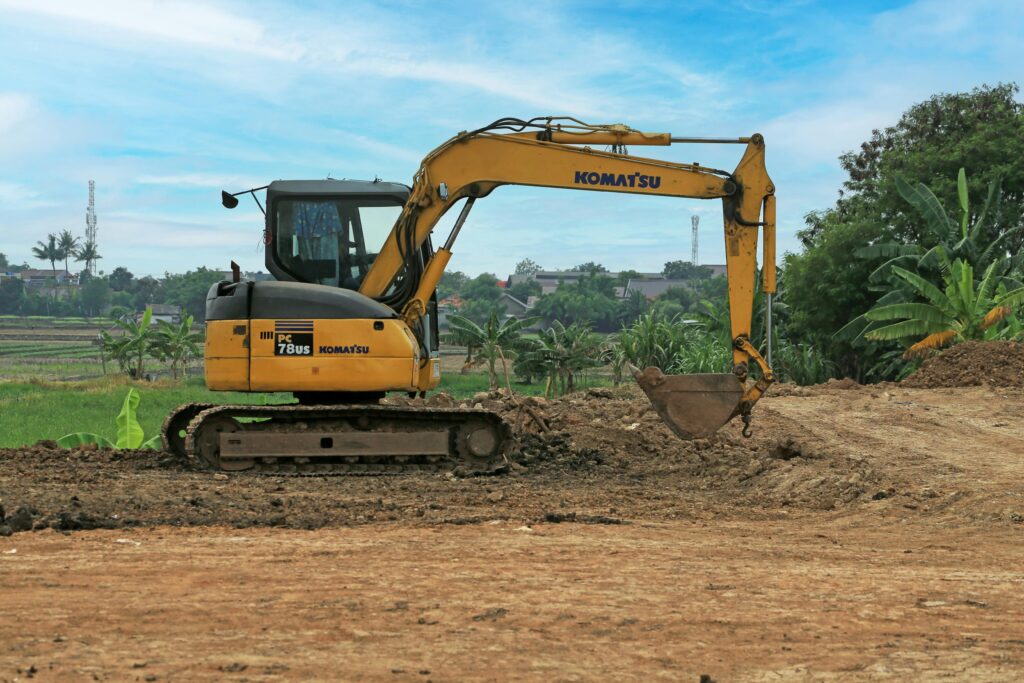
Heavy-duty digging machinery comes in various forms, each designed for specific tasks. Excavators are among the most versatile options. They excel at deep digging and can maneuver easily on diverse terrains.
Bulldozers are another popular choice. Their powerful blades push earth efficiently, making them ideal for site preparation and grading.
Backhoe loaders offer a unique combination of functions. With a front loader bucket and a rear-mounted digger, they handle both loading and excavation seamlessly.
If you’re tackling larger projects, consider a trenching machine. Designed to create narrow trenches quickly, they’re essential for utility installations or drainage systems.
For massive operations, draglines stand out with their long reach and heavy lifting capacity. Often used in mining or large-scale construction sites, they simplify significant earth-moving tasks.
Each type brings distinct advantages based on project requirements—understanding these differences is crucial before making your choice.
Factors to Consider Before Renting
When it comes to renting heavy-duty digging machinery, several factors can influence your choice. Start with the scope of your project. Understanding the size and depth of excavation required will help determine the type of equipment you’ll need.
Next, consider the rental duration. Are you in for a day or an extended period? This affects pricing and availability. Many companies offer discounts for long-term rentals, so it’s worth looking into.
Don’t forget about accessibility at your job site. Can the machinery fit through narrow pathways or gates? Evaluating this beforehand saves time and potential headaches later on.
Additionally, think about operator experience. Some machines require specific skills to operate effectively and safely. If you lack qualified personnel, you may need to factor in training or hire professionals.
Assess maintenance support from rental companies. Knowing they provide assistance during emergencies can give peace of mind as you tackle your projects.
Cost Comparison with Buying
Renting heavy-duty digging machinery often presents a more budget-friendly option compared to purchasing. Upfront costs can be significantly lower, especially for projects that require equipment for a limited time.
When you buy, you’re not just paying the purchase price; maintenance and storage come into play. These additional expenses can add up quickly. Renting allows you to bypass these ongoing costs entirely.
Moreover, rental companies usually include insurance and support in their packages. This means less financial risk on your end if something goes wrong during the job. You get access to the latest models without committing long-term.
For short-term projects or one-off jobs, renting is typically more economical than buying outright. It provides flexibility while keeping your cash flow intact.
Safety Precautions and Equipment Maintenance
When working with heavy-duty digging machinery, safety should always be your top priority. Familiarize yourself with the specific equipment you are renting to understand its operational limits and capabilities. Each machine comes with its own set of safety features and requirements. Always read the operator’s manual before starting any work.
Make sure that all operators have received proper training. They should know how to handle the machinery safely, recognize potential hazards, and respond appropriately in case of an emergency. Wearing appropriate personal protective equipment (PPE) is essential—helmets, gloves, eye protection, and steel-toed boots can help shield workers from unexpected incidents.
Regular maintenance checks are crucial for keeping machines running efficiently and safely. Before using rented equipment, inspect it thoroughly for any signs of wear or damage. Report any issues immediately to the rental company so they can address them promptly.
Post-operation care is equally important. Clean the machinery after use to prevent dirt accumulation that could lead to mechanical problems later on. Properly store all tools and attachments when not in use.
By prioritizing safety precautions and maintaining your equipment adequately, you’ll create a safer work environment while maximizing efficiency on your project site.