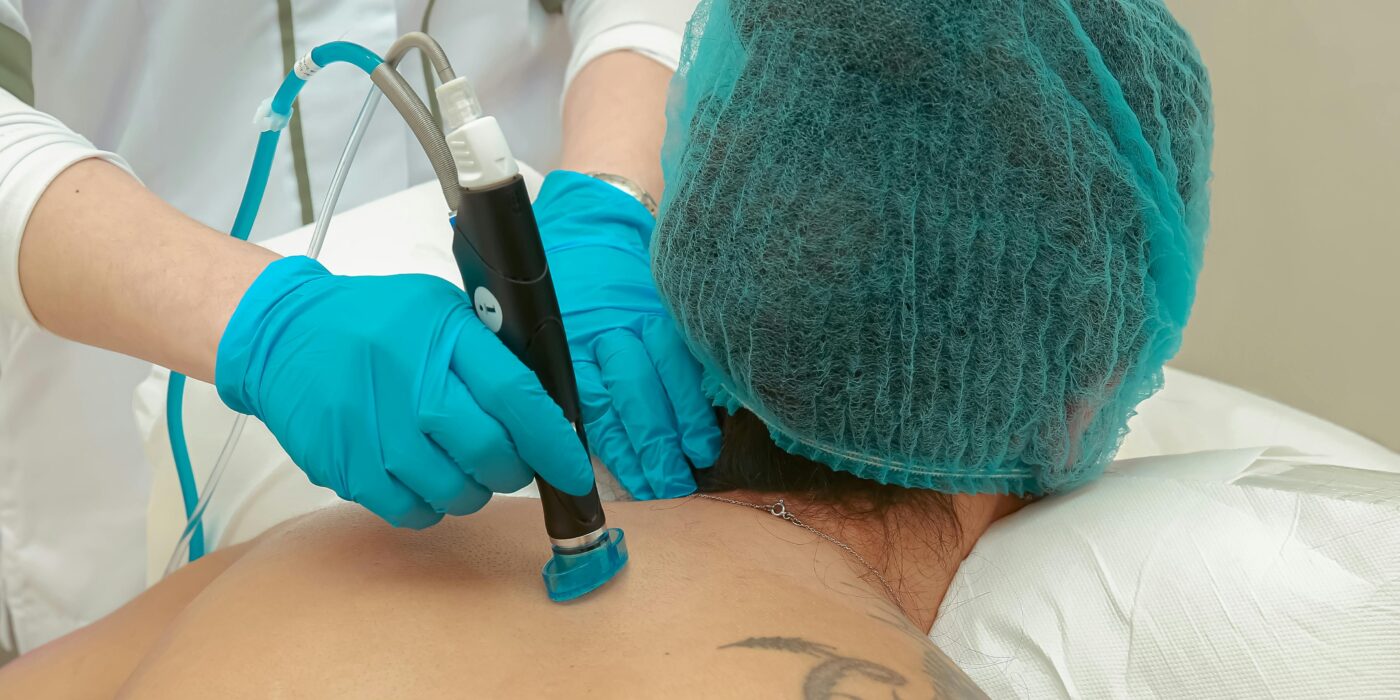

Tattoos can be a beautiful form of self-expression, but sometimes they tell a story we want to rewrite. Whether it’s an old love or a design that no longer resonates, the desire for tattoo removal has led many people to consider laser treatments. But before you embark on this journey, understanding the factors that influence pricing and session numbers is crucial.
Laser tattoo removal isn’t just about zapping away ink; it’s a process influenced by various elements unique to each individual case. From the size of your tattoo to its location on your body and even the type of ink used—all these aspects play significant roles in determining how much you’ll pay and how many sessions you’ll need.
Curious about what drives these costs? Let’s dive into the key factors affecting laser tattoo removal treatment pricing and session requirements so you can make informed decisions on this transformative path.
What Factors Determine the Cost of Laser Tattoo Removal?
The how much does tattoo removal cost melbourne can vary significantly based on several key factors.
First, the expertise and reputation of the clinic play a crucial role. More experienced practitioners typically charge higher fees due to their skill level and success rates.
Additionally, the technology used in treatments affects pricing. Advanced lasers may offer faster results but come at a premium.
Session length is another variable. Complex tattoos often require multiple sessions for complete removal, increasing overall expenses.
Geographic location also impacts costs; clinics in urban areas usually have higher overheads compared to those in smaller towns.
Individual patient needs can influence pricing as well. Factors like skin type or medical history may necessitate tailored approaches that could alter treatment costs.

The Role of Tattoo Size and Location
The size of a tattoo plays a crucial role in determining the overall cost of removal. Larger tattoos require more extensive treatment, often leading to an increased number of sessions. Each session targets specific areas, making it essential to consider how much ink is involved.
Location matters as well. Tattoos on delicate or hard-to-reach areas may pose challenges that affect pricing. For instance, designs on the lower back can be easier to treat than those wrapped around joints or tucked under clothing.
Additionally, accessibility influences time and technique during each session. A tattoo located near sensitive skin could mean extra caution is needed from the practitioner.
These factors combine to create a nuanced pricing structure tailored specifically to individual needs and circumstances. Understanding this helps clients prepare for what lies ahead in their tattoo removal journey.
Impact of Ink Colors and Type on Pricing
The color and type of ink used in a tattoo significantly affect the cost of removal. Certain colors are more challenging to break down than others. For instance, black ink tends to be easier to remove due to its strong contrast with skin tones.
Conversely, vibrant hues like green, blue, and especially neon shades require specialized lasers. These lasers target specific wavelengths of light that correspond to the pigment’s color. As a result, treatments for colorful tattoos often involve additional sessions.
Moreover, the quality of the ink plays a role too. Professional-grade inks usually penetrate deeper into the skin compared to amateur ones; thus requiring more effort during removal.
Understanding these nuances can help you anticipate both time and financial investment needed for successful tattoo removal.
Skin Type and Health Considerations
When considering laser tattoo removal, skin type and overall health play significant roles in determining both cost and the number of sessions required. Different skin types react differently to laser treatments. For instance, lighter skin tones often respond well to lasers because they absorb the light efficiently without damaging surrounding tissue.
On the other hand, darker skin may require specialized lasers or settings to avoid hyperpigmentation or scarring. This can lead to an increase in session costs as practitioners might need more advanced equipment or techniques for safe treatment.
Moreover, any underlying health conditions can impact how effectively your body clears ink from your system. Conditions like diabetes or autoimmune disorders could necessitate a more cautious approach, potentially affecting both pricing and session frequency.
A thorough consultation with a qualified professional is essential. They will assess your unique situation and tailor a treatment plan that considers all these factors while ensuring safety and efficacy throughout the process. Understanding these elements helps set realistic expectations for anyone looking into tattoo removal options.