
Composite bonding and porcelain veneers are two of the most popular cosmetic dental treatments out there for dealing with chipped, stained, uneven or misaligned teeth. In Australia, demand for cosmetic dentistry has gone up big time over the past decade as people look for ways to enhance their smile without having to put up with a lot of fuss. When it comes to deciding between these treatments though, it’s about more than just looks. You’ve also got to think about things like how long the treatment will last, how often it will need repair, how stain-resistant it is and the total cost over time. For anyone looking to get some cosmetic work done or talking to a cosmetic dentist Mt Druitt Westfield, it’s really important to do your research and get the facts before you go ahead with a treatment that may end up costing you money and affecting your oral health in the long run.
Material Composition and the Treatment Process
Composite bonding is pretty straightforward. It involves slapping a big ol’ dollop of tooth coloured resin straight onto the tooth surface and then shaping and hardening it with a special light. Because nearly all the enamel stays intact, it’s considered to be one of the more conservative cosmetic treatments out there and usually gets done in just one visit.
Longevity and Clinical Survival Rates
One of the main differences between the two treatments is how long they last. A load of research has shown that porcelain veneers outlast composite restorations by a long shot. There was a review of 6,500 porcelain veneers that found that after 10 years they had a cumulative survival rate of about 95.5%. Other studies that looked at the survival rates over 10 years, found that veneers were doing just as well when they were stuck onto the enamel properly.
Cost Analysis and Long-Term Value
When it comes down to it though, the cost of these treatments is a major factor especially in Oz. Composite bonding costs between AUD 500 and AUD 1,500 per tooth and if you’ve only got one or two teeth done it might actually seem pretty reasonable. But porcelain veneers are a different ball game altogether. They can cost between AUD 1,200 and AUD 2,500 per tooth and that’s before you factor in things like where you live, how much your dentist charges and so on.
At first glance, composite bonding seems like it’s a lot cheaper. For example, if you were to do 6 front teeth, it would look like you’d be looking at something like AUD 3,000 to 9,000 rather than AUD 7,200 to 15,000 or more for veneers. If you start to think about how much it’s really going to cost over the long term, things start to look different. If composite restorations keep breaking down and needing replacing every 58 years, the total cost can actually end up being pretty similar to or even higher than the cost of veneers over the same period. Let’s not forget all the extra appointments and maintenance costs you’d rack up in the meantime.
Aesthetic Performance & Stain Resistance
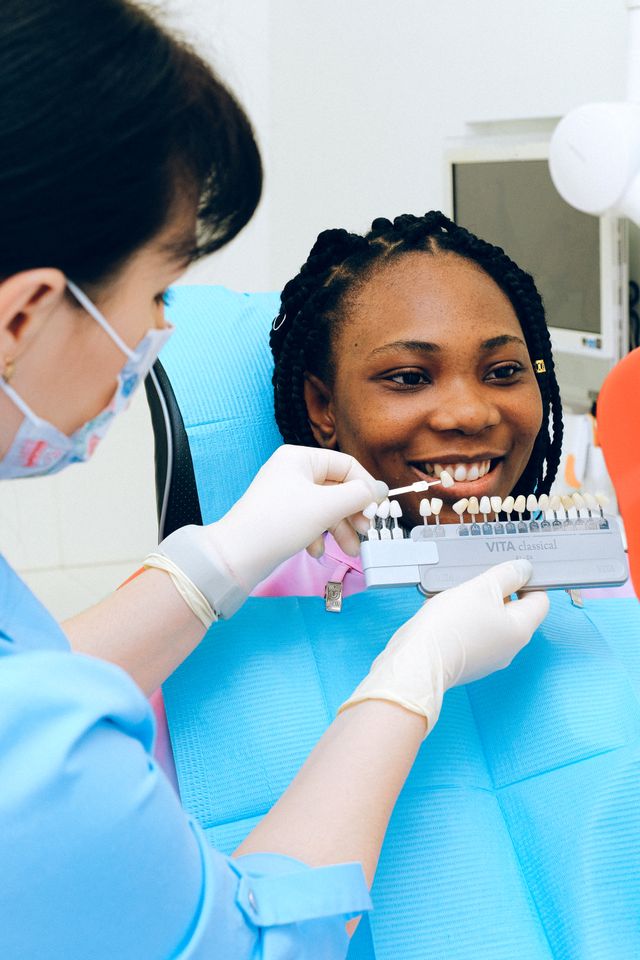
For most patients it’s the way their teeth look that makes them want to get some cosmetic dental work done. When it comes to porcelain veneers, they have a clear edge on composite bonding. They last longer, shine longer, and resist stains like a charm.
It all comes down to the type of materials used. Porcelain veneers have this dense, not very permeable structure that stops them from soaking up all the nasty pigments from stuff like coffee, tea and red wine. Plus they’ve withstood the test of time, retaining their looks for over 10 years with hardly a change in colour.
Risks, Repairs and Treatment Limitations
Now neither of these options is risk-free. Composite bonding is a bit more prone to chipping and staining. The good news is that fixing it is usually pretty simple and can be done in one go. That’s a definite plus.
Porcelain veneers do come with lower failure rates, but if one does happen to break it’s often down to replacing the whole thing. That said, most reviews show that the number of veneers that break in any given year is still pretty low.