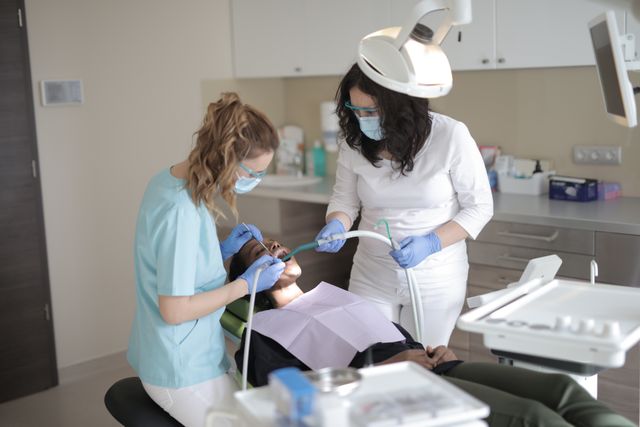

Back in 2023 & 24, around 88,600 Aussies found themselves in hospital because of dental problems that might’ve been averted with the right care. The Australian Institute of Health and Welfare says this is a pretty worrying number, and it gets even more concerning when you see that kids between 5 and 9 years old were the ones getting hospitalised the most, at an alarming rate of 12.1 hospitalisations per 1,000 kids.
Now, these numbers don’t even get close to counting every case of toothache. But they still raise lots of questions about how well dental practices are doing before things become serious. This is something that doesn’t just apply to clinics in the suburbs, we’re talking about a dental practice Epping here, just the same as ones all around the country.
There’s More to a Patient’s Care Than Just the Dentist
While dentists are the ones in charge when it comes to treatment, there are plenty of other pros who play a pretty big role. Hygienists are all about getting those teeth and gums in tip-top shape. Oral health therapists tend to work with kids and teenagers. And dental assistants will usually be the ones getting the treatment rooms prepped and helping out the clinicians during procedures. You can actually check up on a registered dental practitioner by searching the public register, which is managed by the national regulator. The public can look up a person’s name and profession there. Plus, every practitioner has to renew their listing each and every year before 30th November.
What Really Goes On During Sterilisation?
After you’re done with your visit, used instruments get taken away to a separate area to get cleaned and packed. Then staff throw them into a special machine to get sterilised, and before you know it they’re back in storage waiting for the next patient. Dental pros follow pretty strict guidelines for infection control and prevention, as laid out by the Australian Dental Association. These are some pretty detailed rules to follow, but the current edition is the fifth revised one to make sure everything is just right. The feds also have their own guidelines to cover the big picture.
You should be able to spot a few signs of good hygiene practice in action. Take a good look, are the instrument packs sealed? Are the gloves and treatment surfaces clean? It’s also pretty reasonable to ask the dental team about the way they sterilise their stuff and keep everything spick and span. Most teams are pretty happy to tell you all about how they do things.
Why Does a Dentist Won’t Always Whack You with an X-ray?
Dental X-rays come in handy when you’re trying to catch a problem that you might not normally spot. This can be things like rot between the teeth or bone loss around the roots.
Bitewing X-rays are pretty low in terms of radiation, we’re talking super low doses here. A cone beam CT scan will give you a bit more radiation, but still, way less than a general medical CT scan. For this reason, it’s only used in pretty complex cases, not for routine checkups. None of this scanning business without a good reason, okay? As for staff exposure, it’s pretty low, in fact, most dental workers don’t even get any radiation at all. But the rules do vary between states and territories, so each workplace has its own radiation management plan in place.
Early Dental Care Treatments Involved
Check-ups will include some of the following treatments to prevent further complications.
- Scaling and cleaning will take care of plaque that cannot be removed through brushing.
- Fluoride treatments will strengthen the enamel of patients who are at risk of tooth decay.
- Fissure sealants will protect the grooves of young molars.
- Advice on lifestyle habits will address regular snacking, grinding of teeth and improper brushing techniques.
Data gathered from hospitals does not give information on the number of 88,600 hospitalisations which began with minor dental problems. What the figures reveal is that early treatment would have prevented the problem for many tens of thousands of patients. A program for dental check-ups depending on the risk of every individual is much better than having all the patients follow the same appointment plan.
Dental Care Includes Patient Comfort
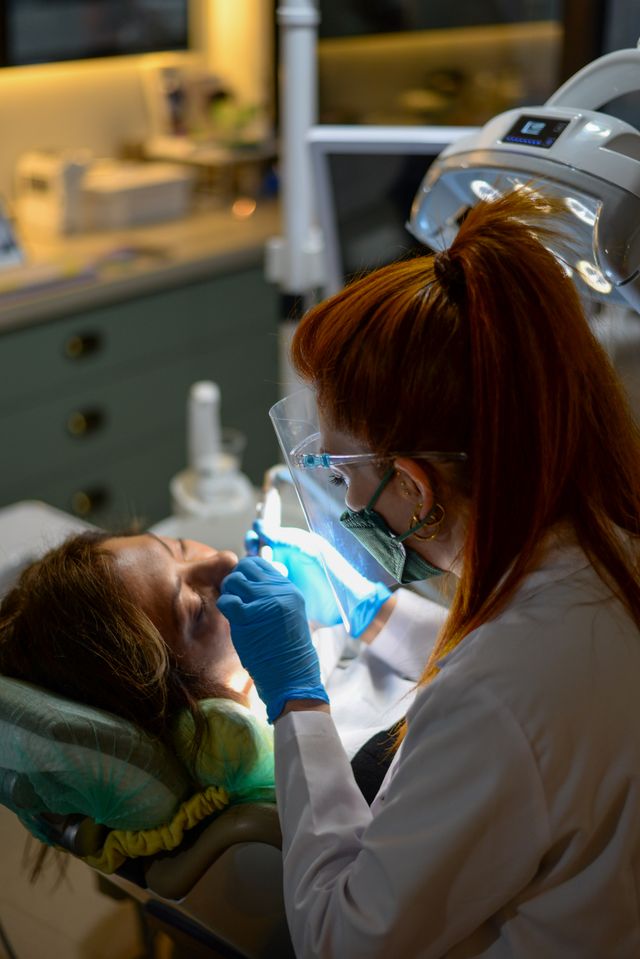
Fears associated with dental treatment keep many people from going to the dentist. A good dental practice should be aware of this fear and consider it normal. The staff can explain every procedure before performing it and reach an agreement on the signal to stop at any moment the patient wishes. Anxious patients can have sedation for treatment and complicated procedures. The clinician will have to discuss the options and inform the patient about them. Patient consent is required. The patient must be aware of the options and risks before treatment is performed.