
A pretty common misconception that clients have when they come to brief fabrication work is that steel cutting Melbourne and laser cutting are the same thing, they’re not. Choosing the wrong process can lead to compromised edge quality, introduce heat distortion into sensitive parts or just make the whole job a bad financial decision when you’re working with high volumes. In Melbourne, you’ve got a steel cutting sector that uses four distinct methods for different materials, thicknesses and finish requirements.
The Four Steel Cutting Methods You’ll Find in Melbourne Fabricators
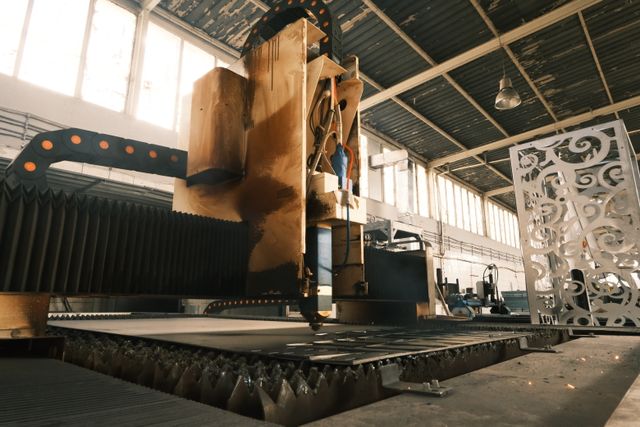
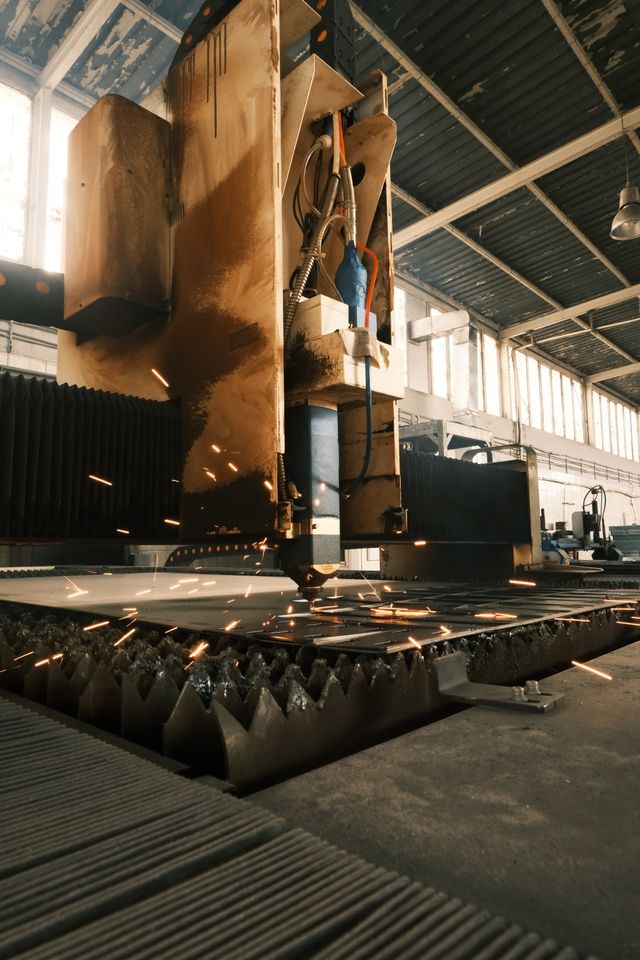
Laser cutting gives you the best edge finish with hardly any heat damage. It’s great for steel up to 25mm and also works well for acrylic and other non-metals. It’s the go-to process when you need an edge that’s ready to be assembled right away and you’re not counting on secondary grinding to tidy it up. Plasma cutting moves at a good clip on flat mild steel plate with less heat damage than oxy flame, and operates with a CNC-controlled setup which is perfect for structural profiles and volume production when edge finish doesn’t need to be super precise.
Oxy acetylene flame cutting is what you go for when dealing with really thick plate. There are some specialist operators in Melbourne’s eastern suburbs running CNC oxy acetylene machines that can handle anything from 10mm to 410mm, and on specialist setups they can even do 600mm, the big stuff. Waterjet cutting, on the other hand, is a cold process that doesn’t mess with the material at all, no heat damage, nothing. It cuts virtually any material you can think of, and can go up to 100mm or more in thickness, it’s even good on things like stone, glass, rubber and alloys that are sensitive to heat.
When You Should Go for Waterjet in Melbourne Projects?
One of the main reasons is that there’s no heat damage at all, which is huge for certain materials like tool steel, spring steel and heat-sensitive alloys where you really can’t afford to have the material change in any way. The edges that come out of a waterjet are usually so clean you don’t even need to do any secondary grinding before you can use them, which is a big deal. You can cut just about anything on one machine, mild steel, stainless, copper, brass, ceramics, glass, and in Melbourne that means you can use it for a whole range of jobs like electrical cabinets, race car parts, aerospace parts and even food equipment where cleanliness is the number one priority.
Thick Plate and Structural Steel Cutting in Melbourne
There are some specialist operators down in Bayswater who handle the really thick plate jobs that laser and plasma can’t get to easily. They’ve got four CNC oxy acetylene machines that can handle plate from 10mm to 410mm, and they can get the job done in three days or less, it’s a pretty quick turnaround. And they’ve got a ton of material in stock so you know you can get it on time. CNC plasma tables churning out flat patterns in mild steel at high speed, and beam coping robots that can process up to 1,200 I-beams for structural steel, that’s what you need to tackle the big structural fabrication jobs.
An Ideal Brief for Steel Cutting Work
The DXF or DWG files will start the job. The operators can make CAD files out of drawings or samples but when you give them a proper briefing you save time in the production process. When the material grade is mentioned, everything else falls into place. Mild steel of 250 grade, high tensile 350, Dura, Boiler plate, and Bisalloy all react in a different way for every kind of cutting operation. The finish of the cut decides the process to be used: laser if the edge has to be ready for assembly; oxy or plasma if welding or machining is needed; waterjet if zero HAZ is needed. The post-processing work that can be done in Melbourne includes wash grinding for a precise flat surface, stress relief annealing and flame hardening. For such processes, getting it done by one operator who can provide the full service saves a lot of hassles.