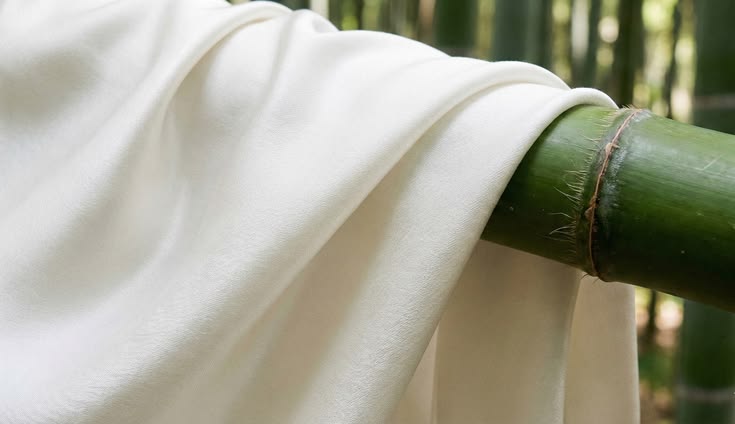

Bamboo fabric is making waves in the world of fashion, and for good reason. As more people seek sustainable alternatives to traditional materials, bamboo has emerged as a frontrunner. Soft, breathable, and eco-friendly this textile offers a blend of comfort and style that’s hard to resist.
Imagine slipping into clothing that feels luxuriously soft against your skin while knowing it comes from one of nature’s most renewable resources. Whether you’re lounging at home or heading out for a casual day with friends, bamboo fabric provides an effortless way to elevate your wardrobe sustainably.
Curious about what makes this material so special? Let’s dive deeper into the fascinating world of bamboo fabric and explore why it’s becoming the go-to choice for everyday wear.
The Process of Making Bamboo Fabric
Bamboo fabric production begins with the harvesting of bamboo stalks. This fast-growing plant is cut down when it reaches maturity, typically after three to five years.
Once harvested, the bamboo undergoes a process called pulping. The outer layer is stripped away, and enzymes are used to break down the cellulose fibers within the inner part of the stalk. This eco-friendly method leads to minimal waste and contributes to the appeal of bamboo underwear
Next comes spinning these fibers into yarn. The resulting threads can be woven or knitted into various textiles. The softness and sheen of bamboo fabric make it highly desirable for clothing.
After weaving, further treatments may enhance its properties, such as breathability and moisture-wicking abilities. The entire process emphasizes sustainability while creating a comfortable material suitable for everyday wear.
Benefits of Bamboo Fabric for Everyday Wear
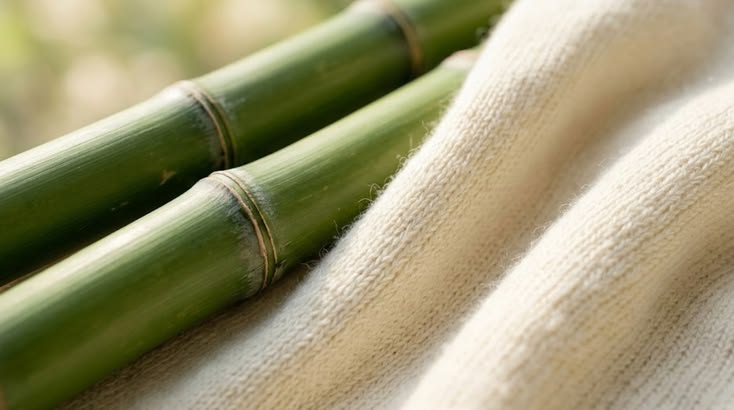
Bamboo fabric is gaining traction in the fashion world, and for good reason. One of its standout qualities is softness. It feels luxurious against the skin, making it ideal for everyday wear.
This fabric also boasts moisture-wicking properties. It draws sweat away from your body, helping you stay cool on warm days.
Another benefit is its breathability. Bamboo allows air to circulate easily, which enhances comfort during daily activities or workouts.
Additionally, bamboo has natural antibacterial properties. This means less odor buildup over time perfect for those long hours at work or spontaneous adventures.
It’s hypoallergenic. Individuals with sensitive skin can enjoy clothing without irritation or discomfort commonly caused by synthetic fibers.
Environmental Impact of Bamboo Fabric
Bamboo fabric stands out for its minimal environmental footprint. Unlike traditional cotton, bamboo requires significantly less water and no harmful pesticides during cultivation. This makes it a more sustainable option.
The rapid growth of bamboo also plays a crucial role in carbon sequestration. Bamboo can grow up to three feet per day, effectively absorbing CO2 from the atmosphere while releasing oxygen.
Additionally, the process of turning bamboo into fabric is often eco-friendly. Many manufacturers use closed-loop systems that recycle water and solvents used in production, reducing waste and pollution.
Choosing bamboo fabric helps promote sustainable agriculture practices. By supporting this material, consumers contribute to a shift towards healthier ecosystems. With each garment made from bamboo, we take steps toward a greener future.
Sustainable Brands Using Bamboo Fabric
The rise of bamboo fabric has caught the attention of various sustainable brands that prioritize eco-friendly practices. These brands are committed to creating stylish, comfortable clothing while minimizing their impact on the planet.
Many companies are now incorporating bamboo into their collections, recognizing its unique properties and benefits. Brands like Boody and Carve Designs offer a range of bamboo apparel that includes everything from activewear to loungewear. Their designs not only embrace comfort but also reflect a commitment to sustainability.
Moreover, as consumers become more conscious about their choices, these brands adjust their sourcing and production methods. They often ensure that the entire process from harvesting bamboo to manufacturing is done responsibly. This focus on ethical production resonates with those looking for alternatives to conventional fabrics.
By supporting these sustainable brands, shoppers can contribute positively to environmental conservation while enjoying the many advantages of bamboo fabric in their everyday wear. It’s exciting to see how this natural material is reshaping fashion for a better future.