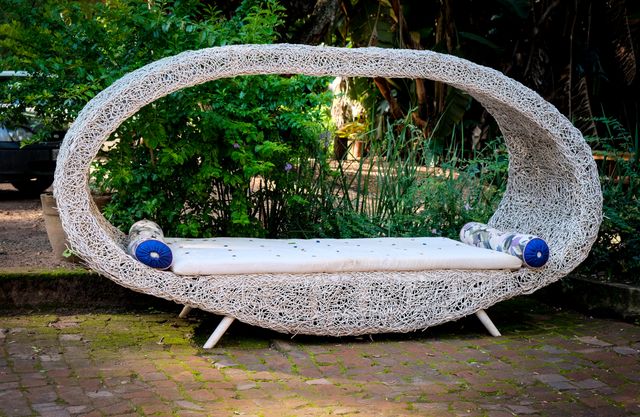

Outdoor wicker furniture looks pretty nice on that showroom floor, you know, the kind of place where it all looks effortless and relaxed. What really matters is how it holds up after two or three summers in Australia, a bit of a winter by the coast, and all the rain that comes with it. Most people make a buying mistake and end up replacing the furniture in just a couple of years. It’s always because they got the wrong idea about what “outdoor-rated” really means in our climate.
Natural vs Synthetic Wicker: The Single Most Important Distinction
People often rave about natural rattan, cane, and bamboo wicker, and with good reason. It looks stunning, but indoors is where it belongs. Outdoors in Australia, that beautiful fibre structure starts to absorb all the moisture. Before you know it, the whole thing cracks and falls apart. Not because there’s anything wrong with the product itself. It’s just a material thing that’s got its limitations. Synthetic PE rattan, on the other hand, is designed to do the natural stuff but without the problems. It’s got the appearance of natural weave but without all the worries. The polyethylene compound is engineered to withstand all the abuse that Australian weather can throw at it. It doesn’t just resist UV. It’s able to flex in the heat without cracking, and it sheds water without getting all soggy.
Frame Materials: Why Aluminium Has Become Standard
The whole thing sits on a frame, and the frame is what makes or breaks the entire piece. There are three main types of frame material you’ll see in the Australian outdoor wicker furniture market. Steel frames are solid and sturdy, but the powder coating is basically all that stops them from rusting. If you scratch the paint off, the trouble starts. Near the coast, and 60% of Aussies live in coastal towns, it’s not long before bare steel is covered in rust. They might work in dry, sheltered areas inland, but that’s about it. Aluminium, on the other hand, doesn’t rust. Period. A good-quality aluminium frame is able to withstand all the salt air and extreme temperatures. It doesn’t warp and is light enough to move without breaking your back. That’s why aluminium has become the standard for outdoor wicker furniture in Australia. It just makes more sense given what we throw at our outdoor furniture.
The Five Buying Mistakes Worth Avoiding
Buying a product just because it looks good, but not bothering to check on its UV resistance. The thing is, a lot of cheap imports out there aren’t built for the long haul. If the product listing just says something vague like “PE wicker” without mentioning UV-stabilised, it’s fair to ask the vendor straight up. Not realising that indoor wicker sets aren’t actually designed for outdoor use. A lot of budget-friendly wicker sets sold in homeware stores and showrooms are just regular rattan or untreated wicker. Buying furniture that’s just too big for the space. You know, that really nice four-seat modular that looks fabulous in the showroom. When you get it home and try to squeeze it onto your patio, it’s just too big. Using indoor cushions on your outdoor furniture. There are lots of cushions out there that are designed to cope with a bit of moisture. If they’re not solution-dyed, that’s not the case. Polyester cushions look great at first, but the colour fades fast. They quickly lose their water resistance. Buying from someone with no after-sales support here in Australia. You know, that awesome deal from an overseas importer that looks so good. If things go wrong, you’re stuck with a two-year warranty that involves international shipping and long delays.
Matching Wicker to Your Outdoor Space
When it comes to buying wicker furniture, the one thing that often gets overlooked is scale, and it’s more important than people think. A big modular sofa in a tiny city courtyard not only looks all wrong, but it makes the whole space useless. On the other hand, a tiny two-seater in a massive outdoor area just gets a bit lost. Choosing the right colour is also a place where the low-maintenance aspects of wicker have some real benefits when it comes to looks. Neutral tones like grey, a natural rattan look, or black aluminium frames are pretty safe bets. They go with most Aussie home exteriors, and they age okay. You can get away with a bright accent colour sometimes, but it tends to date a bit sooner.
How Wicker Sits on Different Surfaces?
On timber decking, the lightness of PE wicker is actually a big plus, as you can move the bits around without scratching the boards. The two materials look pretty good together. Concrete and sandstone pavers are pretty tough surfaces that will basically take any wicker setup you throw at them. Artificial turf is a different story. It can end up with uneven bits under heavier furniture if you’re not careful. Using furniture feet with a bit more weight distribution does help, though.
Price vs Longevity: What Budget Actually Gets You
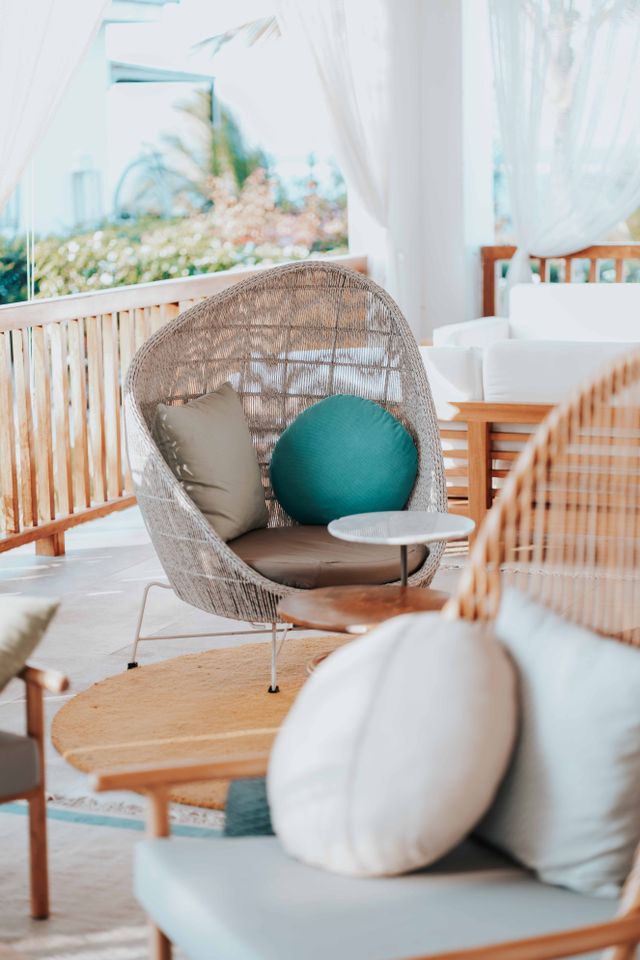
You can get entry-level outdoor wicker furniture sets in the $400 to $700 bracket, which isn’t bad for casual use in a covered spot now and then. The catch is that the quality is pretty predictable. Thinner weave, lighter frames, and foam cushions that aren’t rated for outdoor use are common at this price point. Don’t expect them to last too long. Two to three years is about right under normal conditions.