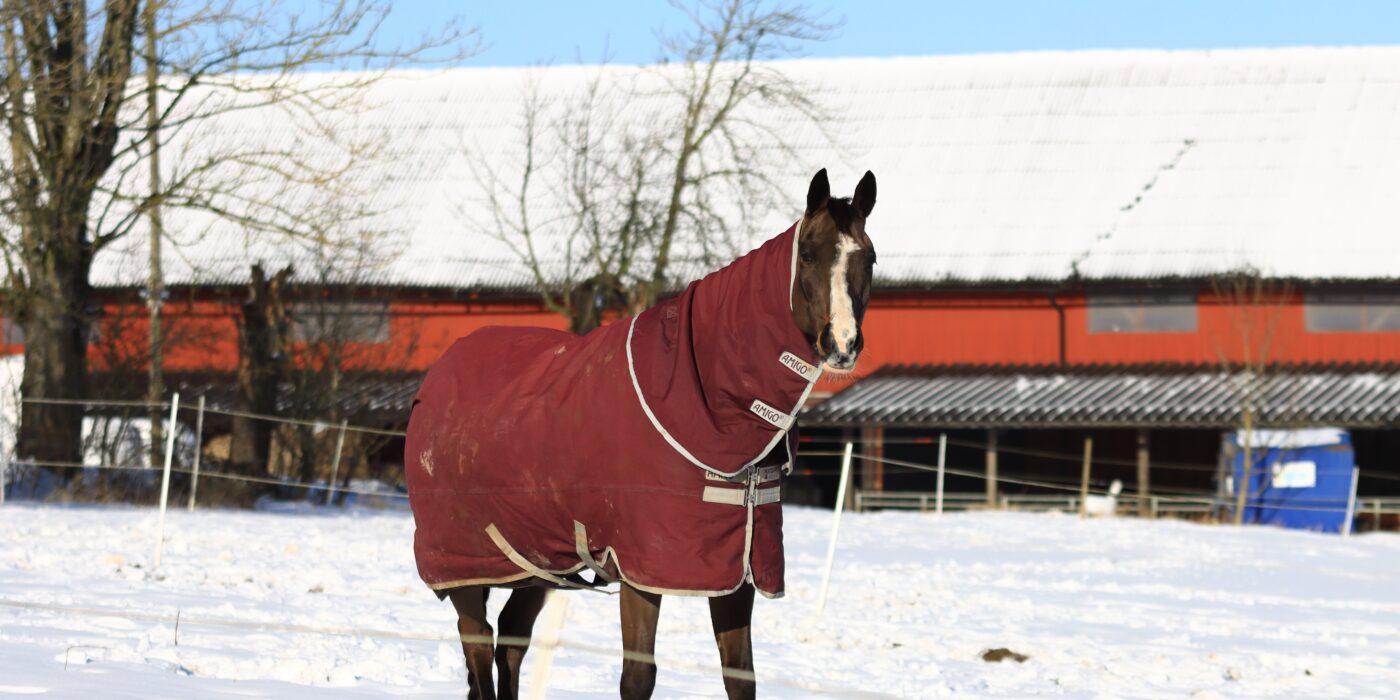

As winter blankets the landscape in a frosty embrace, horse owners face the challenge of keeping their beloved companions warm and comfortable. Just like we bundle up in cozy layers when temperatures drop, our horses need protection too. Enter insulated horse rugs – a crucial piece of gear designed to shield them from harsh winter weather. But what exactly makes these rugs so vital? Let’s dive into why investing in an insulated horse rug is not just wise but essential for your equine friends during those chilly months.
The dangers of winter weather for horses
waterproof and insulated winter horse rugs for added warmth threats to horses. The chilling temperatures can lead to hypothermia, especially for those without adequate shelter or protection.
Snow and ice present additional hazards. Horses may slip and fall, risking injury during their daily activities. Frozen water sources can also create dehydration issues if they cannot access fresh water.
Wind chill is another serious concern. It penetrates through fur coats, making it feel much colder than the actual temperature. This harsh condition increases stress on a horse’s body as it struggles to maintain warmth.
Additionally, winter often brings reduced forage availability. Nutritional deficiencies can arise if hay or pasture quality decreases due to frost or snow cover.
Providing proper care becomes crucial in these conditions to ensure that horses remain healthy and safe throughout the season.
How insulated horse rugs protect horses from the cold
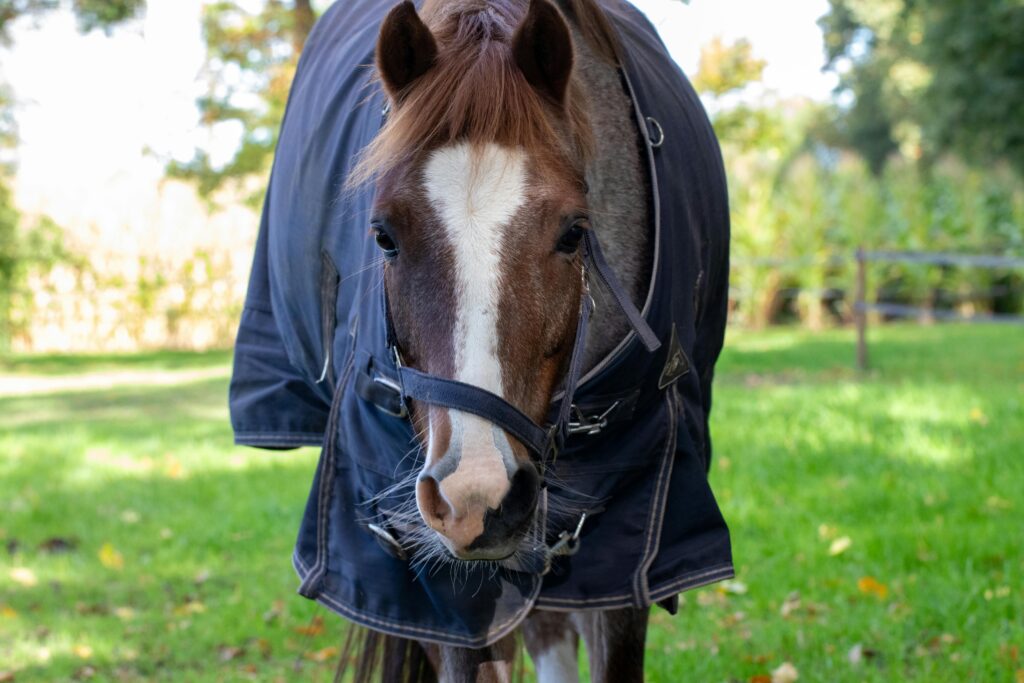
Insulated horse rugs are designed to trap warmth and protect against biting winter winds. They create a barrier that keeps the chill at bay while maintaining your horse’s body heat.
These rugs often feature multiple layers, including an inner lining that retains warmth. This ensures horses stay cozy even in frigid temperatures.
The waterproof outer layer is another key aspect. It prevents snow and rain from seeping through, keeping the horse dry and comfortable.
Breathability is also essential. High-quality insulated rugs allow moisture to escape, preventing sweat buildup which can lead to chilling once the temperature drops further.
Moreover, many designs include adjustable straps and neck covers for a snug fit. This customization helps eliminate gaps where cold air could sneak in.
All these features work together to provide optimal protection against winter’s harsh elements, ensuring your equine friend remains warm throughout the season.
Types of insulated horse rugs available
When it comes to insulated horse rugs, variety is key. Different styles cater to varying needs and preferences.
Stable rugs are designed for indoor use. They offer warmth without being overly bulky, making them perfect for chilly nights in the barn.
Turnout rugs are built for outdoor conditions. These rugged options often feature waterproof materials, ensuring your horse stays dry while braving the elements.
Combo rugs provide extra coverage with a neck piece attached. This design helps shield vulnerable areas from biting winds and rain.
Lightweight insulated options exist as well. They’re ideal for milder winter days when full heavy blankets aren’t necessary but some warmth is still required.
Look out for specific insulation types too—polyester fill or wool blends can make a big difference in heat retention and comfort level depending on your setting and climate!
Features to consider when choosing an insulated horse rug
When selecting an insulated horse rug, several features should be at the forefront of your mind. First and foremost, consider the material. Look for durable fabrics that can withstand wear and tear while providing insulation. Polyester and nylon are popular choices due to their waterproof qualities.
Next, pay attention to the weight of the rug. Heavier rugs generally offer more warmth but may not suit every horse’s needs or comfort levels. It’s important to find a balance between warmth and mobility.
Check for adjustable straps and closures as well. These allow for a secure fit, preventing slipping during movement. A properly fitted rug will keep your horse comfortable without causing irritation or chafing.
Breathability is another key factor. Even in winter, horses need ventilation to avoid overheating from trapped moisture beneath the rug’s surface.
Don’t forget about additional features like reflective strips for better visibility during darker days or removable liners that offer versatility based on temperature changes throughout winter months.
Taking all these aspects into account ensures you choose an insulated horse rug tailored specifically for your equine friend’s comfort and safety this winter season.